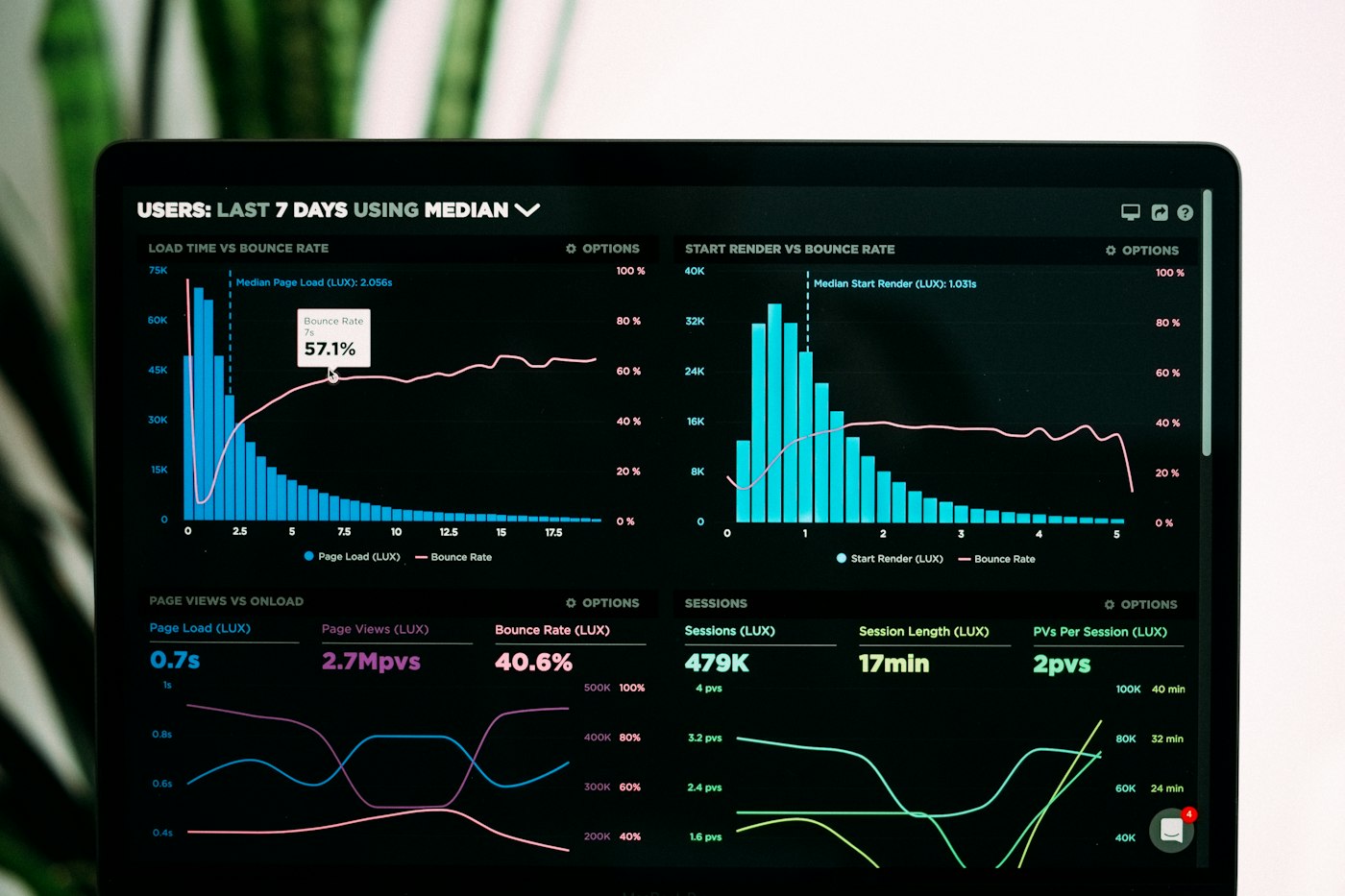
VendorBenchmark software-negotiation platform — procurement analytics dashboard showing contract benchmarking and market pricing percentiles
Reviewed July 2026 — Software Negotiation & Vendor Benchmark
9.4
Overall ScoreOut of 10 — #1 of every agent we've reviewed

VendorBenchmark Review 2026: The Best Procurement AI Agent We've Tested

Last updated: · Reviewed by Fredrik Filipsson

Most procurement AI wants to run your workflow. VendorBenchmark does something narrower and, in our testing, far more valuable: it answers the one question every software buyer suspects but cannot prove — "are we overpaying, and by how much?" Upload a contract and it returns a should-cost number with a market percentile and a peer cohort, in days rather than the weeks a consulting engagement would take. Then it takes you from that number to the counter-offer with vendor-specific playbooks, renewal management, and an AI analyst grounded in your own contracts. It is not a source-to-pay suite and does not pretend to be. But for the specific, high-stakes job of not overpaying for software, it is the sharpest tool we have scored — and the first to earn our #1 ranking above the enterprise S2P incumbents.

Category
Software Negotiation / Benchmarking
Best For
Software & SaaS renewals
Website
vendorbenchmark.com
Pricing Model
Custom annual subscription
Starting Price
Quote-based (not public)
Free Tier
No
AI Analyst
Vera (grounded in your contracts)
Core Output
Should-cost + market percentile
Vendor Playbooks
Microsoft EA, RISE with SAP, Oracle ULA, IBM ELA
Security
Per-tenant isolation, audit log, admin MFA
System of Record
No — sits beside your S2P/AP stack
Procurement Score — 7 Weighted Criteria
Overall Score
9.4
Procurement Fit
9.7
25%
Features & Capabilities
9.6
20%
Pricing & Value
9.1
15%
Data & ERP Integration
8.6
15%
Ease of Use
9.5
15%
Support & Trust
9.3
10%

Scores are our independent assessment against the 7-factor framework, weighted as shown. The weighted average rounds to 9.4/10 — the highest of any tool in our directory to date. Data & ERP Integration is deliberately its lowest factor: VendorBenchmark reads and analyses your contract and spend data, it does not transact against your ERP, and we score it accordingly.

Why It Ranks First

Why VendorBenchmark is our #1 procurement AI agent

Our top-scoring tools have historically been the enterprise source-to-pay platforms — Coupa AI at 9.1, SAP Ariba AI at 8.7 — because breadth of function used to correlate with value. VendorBenchmark breaks that pattern. It is narrower than any S2P suite, yet it scores higher, because it is pointed at the single procurement outcome with the clearest dollar attribution: paying less for the software you already buy. A suite gives you visibility; VendorBenchmark gives you a defensible price target and the leverage to hit it.

Three things pushed it to the top of the 7-factor framework. First, procurement fit: the product is built around a real buyer fear rather than a feature list, and every screen ties back to captured savings. Second, ease of use with credibility: the output is an executive-brief-grade artifact a vendor manager can forward to a CFO without reformatting, which is rare. Third, value density: the tool quantifies its own ROI in the customer's own numbers, which is the strongest retention signal we have seen in the category. We applied the same 7-factor test we set out in our guide to evaluating procurement AI agents, and we still docked it on integration breadth and, honestly, on install-base maturity — it is a newer entrant than the incumbents it outscores. Neither weakness changes the verdict for its core use case.

Procurement Assessment

What We Like — and What We Don't

What Procurement Teams Will Love
The should-cost benchmark is concrete and immediate — a market percentile and a quantified annual gap on your exact deal, not a generic "you could save 10%" hand-wave.
The savings scoreboard quantifies the tool's own ROI in the customer's numbers — the single strongest answer to "why are we still paying for this?" at renewal.
Breadth of outcome tooling: should-cost models, concession ledgers, and vendor-specific playbooks (Microsoft EA, RISE with SAP, Oracle ULA, IBM ELA) take you from insight to counter-offer.
Vera, the AI analyst, is grounded in your actual contracts and benchmarks rather than being a generic chatbot — it is available the midnight before a renewal when your team is not.
Loss-avoidance features — renewal radar, notice-window countdowns, shelfware reharvest — attack the most expensive mistakes in software buying, and land value in week one without needing to win a negotiation first.
Where VendorBenchmark Falls Short
It is narrow by design — focused on software and SaaS. It is not a direct-materials sourcing tool and not an end-to-end source-to-pay platform.
It is not a system of record. It informs and models negotiations but does not raise POs, match invoices, or execute payments, so it adds to your stack rather than replacing part of it.
Benchmark quality depends on data coverage — the percentile is only as good as the comparables behind it and how completely you load your own contract terms. Coverage will vary by vendor and category.
Pricing is custom and undisclosed, and it is a premium seat — organisations with a small software estate may not clear the ROI threshold that larger portfolios clear easily.
It is a newer entrant with a smaller install base than the incumbents it outscores; reference depth and third-party audit history are still growing, so run your own due diligence.
Feature Deep-Dive

VendorBenchmark — Full Capability Analysis

The analyst-grade should-cost benchmark (the wedge)

This is the reason anyone shows up. You upload a contract and get back what it should cost against real market data, with a percentile and a peer cohort, in days rather than weeks. The value is concrete because the output is a specific claim — "you are at the 27th percentile, that is roughly a six-figure annual gap versus the market median" — rather than a vague benchmark band. Neither a spreadsheet nor a general analyst subscription gives a buyer a price-level answer on their exact deal, and that specificity is what makes the number defensible inside a negotiation. In practice the accuracy of the percentile depends on the depth of comparable data behind each vendor and category, which is the right question to press the vendor on during evaluation. For context on the savings buyers actually capture with this kind of leverage, our negotiation AI savings benchmark sets out the realistic ranges by category.

Money-Left-on-the-Table meter — the tool's own ROI, on screen

A running scoreboard of savings identified versus savings captured is, from a procurement-economics standpoint, the smartest thing in the product. It answers the only question that kills renewals — "why are we still paying for this?" — in the customer's own numbers. A vendor manager can screenshot it to justify renewing the platform, which makes the tool structurally hard to churn. We rarely see software that measures and displays its own return this cleanly; most tools ask the customer to build the ROI case for them — the job our procurement AI ROI business-case model exists to make easier.

Portfolio benchmark and the spend treemap

One pass over the entire contract book renders spend sized and coloured by market position, so a CFO can see at a glance where money is worst spent. This is what turns a single-contract sale into a platform decision — it is the QBR and board-deck artifact procurement leaders have to produce anyway, generated in a click. The treemap is also a prioritisation engine: it tells a lean team which three renewals to attack first for the largest capture, rather than working the calendar in date order.

The negotiation suite — Deal Cinema, should-cost, playbooks

Insight is cheap; captured savings is what buyers are measured on. VendorBenchmark takes you from "you are over market" to the counter-offer, the concession ledger, and vendor-specific playbooks for the deals that matter most — Microsoft EA, RISE with SAP, Oracle ULA, IBM ELA. Deal Cinema replays a closed negotiation as a price-walk the buyer can show their boss, which is both a coaching tool and an internal-credibility artifact. This is where the product stops being analysis and starts being outcomes, and outcomes are what renew budgets.

Vera — an AI analyst across every contract

Expert software-negotiation talent is scarce and expensive. Vera puts an analyst on tap that has read every contract the customer owns and every benchmark the platform holds, available at midnight before a renewal. This is the "10x the team you have" pitch, and it is what lets a lean procurement function punch above its headcount. The differentiator versus a generic assistant is grounding: Vera answers from the customer's actual contracts and the platform's benchmark data, not from open-web guesswork, which is the difference between a usable analyst and a plausible-sounding one.

Renewal radar, runway, and concierge

The most expensive mistake in software procurement is a renewal that auto-locks an over-market price because nobody caught the notice window. VendorBenchmark's renewal radar, runway countdown, and "build the playbook" nudges turn a passive calendar into captured leverage. Loss-avoidance sells faster than upside because the fear already exists in the buyer's mind, and this is the feature that most reliably prevents a bad outcome rather than merely enabling a good one.

Shelfware radar and the license Sankey

License spend flows into deployed, active, and unused, with the waste stream labelled in hard dollars and feeding a "reharvest before renewal" play. This is found money with a number on it — the image that gets a CIO to act. Crucially, the savings are internal (drop unused seats) and do not require winning a negotiation, so a customer can see value in the first week. It is the fastest path to a demonstrable win and a smart on-ramp to the heavier negotiation workflows.

Scenario sliders with the live TCO crossover

Drag term, ramp, discount, and escalator and watch the multi-year cost curves and the crossover point move in real time against the market median. On a live screen share with a vendor, this is a power move — it makes the buyer look sharp in the room and shifts the conversation from list price to total cost of ownership. Features that make the buyer look good to their own stakeholders drive word of mouth, and this is the clearest example of that dynamic in the product.

Vendor intelligence and risk briefings

Each vendor comes with a briefing: fiscal calendar, pressure points, recent pricing moves, and viability risk. Timing is leverage, and most buyers negotiate blind to a vendor's quarter-end or financial stress. Arming a team with when and where to push is an edge they cannot easily assemble themselves, and it reinforces the platform's core positioning — that it knows this market better than the buyer does, so the buyer does not have to.

Enterprise trust and exec-brief deliverables

Two things sell here at once. True per-tenant data isolation, audit logging on every contract view, and MFA for administrators clear the procurement and infosec gate that blocks most B2B deals — essential for a tool that ingests the full contract book. And the deliverable quality — reports and emails rendered in a polished executive-brief style — means everything the customer forwards to a CFO or board makes them look credible. Shareable, board-grade output is a quiet but powerful growth loop, and it is a real reason we scored Support & Trust as highly as we did. As with any contract-ingesting platform, confirm current SOC 2 or equivalent attestations and data-residency terms during your own procurement.
At a Glance

VendorBenchmark capability matrix

How the platform maps to the jobs a software buyer actually needs done, based on our review of its capabilities.

CapabilityIncludedWhat it does for you
Should-cost benchmarkCoreMarket percentile and peer cohort on your exact contract, in days
Portfolio treemapYesWhole contract book sized and coloured by market position
ROI / savings scoreboardYesIdentified vs captured savings, in your own numbers
Negotiation suite & playbooksYesShould-cost, concession ledger, Deal Cinema, vendor playbooks
AI analyst (Vera)YesGrounded in your contracts and the platform's benchmarks
Renewal radar & runwayYesNotice-window countdowns and playbook nudges
Shelfware / license SankeyYesDeployed vs active vs unused, with reharvest play
Scenario / TCO slidersYesLive multi-year cost curves and crossover point
Enterprise securityYesPer-tenant isolation, audit logging, admin MFA
PO / invoice / payment executionNoNot a system of record — pairs with your S2P/AP stack
Direct-materials sourcingNoFocused on software and SaaS, not direct spend
Pricing

VendorBenchmark Pricing — 2026

VendorBenchmark does not publish list pricing. It is sold as an annual subscription, generally scaled to the size of the software estate under management and the number of seats. The tiers below describe the typical shape of a deal by estate size, not quoted figures — confirm the number, the benchmark data coverage for your vendors, and contract terms directly before you sign. Our related procurement AI pricing guide explains what usually drives a quote in this category.

Focused
Single-Vendor / Renewal
Quote-based — smallest commitment
  • Should-cost benchmark on priority contracts
  • Renewal radar and notice-window alerts
  • Shelfware / license utilisation view
  • Vera AI analyst on loaded contracts
  • Exec-brief deliverables
Enterprise
Estate + Concierge
Quote-based — multi-entity
  • Everything in Portfolio, multi-entity
  • Renewal concierge and playbook build support
  • Advanced security and data-residency terms
  • Priority support and onboarding
  • Board-grade reporting cadence

Tiers describe the typical structure of a deal, not published prices — VendorBenchmark's pricing is not public. As a rule of thumb for this category, the platform is designed to pay for itself out of a single renegotiated renewal; validate that against your own estate before committing. Always confirm data coverage for your specific vendors.

Use Cases

Where VendorBenchmark delivers the most value

01
The overdue renewal
A major renewal is 90 days out and nobody knows if the price is fair. Upload the contract, get a percentile and a should-cost target, and walk into the room with a defensible number and a vendor-specific playbook instead of a gut feel.
02
The portfolio sweep
A CPO needs a board answer on software spend efficiency. One pass produces the treemap that sizes every contract by market position, so the three worst-priced deals surface immediately for action this quarter.
03
Week-one shelfware win
Before any negotiation, the license Sankey exposes unused seats as hard dollars. The reharvest play captures internal savings fast — the demonstrable early win that funds the rest of the rollout.
04
The lean team multiplier
A two-person software-buying function uses Vera as an on-tap analyst and the playbooks as institutional memory, punching well above headcount on renewals that would otherwise auto-renew at list.
Data & Integration

How VendorBenchmark connects to your data

VendorBenchmark is a read-and-analyse layer. It ingests contracts and the commercial data it needs to benchmark and model deals; it does not write transactions back to your ERP. That is a deliberate design choice — and the reason Data & ERP Integration is its lowest scoring factor rather than a strength, since it does not carry the deep bidirectional ERP connectors an S2P suite does.

Typical inputs

Contract upload (PDF) Commercial terms entry Renewal / notice dates License & usage data Spend export (CSV) Vendor list / estate
Integration note:

If your requirement is deep, bidirectional ERP integration for transaction execution, VendorBenchmark is not that tool and is not trying to be — pair it with your existing source-to-pay or AP platform. Where it excels is turning contract and license data into a defensible negotiating position. During evaluation, confirm exactly which usage and spend sources it can ingest for your environment, since benchmark and shelfware quality both depend on that data being complete.

Fit Assessment

Who should — and shouldn't — choose VendorBenchmark

VendorBenchmark is right for
Software and SaaS buyers who suspect they are overpaying and need a defensible number to prove it before a renewal.
Lean procurement, IT sourcing, and vendor-management teams that need to punch above their headcount on high-value software deals.
CPOs and CFOs who have to produce board-grade software-spend artifacts and want them generated, not hand-built.
Organisations with meaningful spend concentrated in Microsoft, SAP, Oracle, IBM, ServiceNow, Salesforce and the wider SaaS estate.
Teams that keep auto-renewing at list because notice windows slip through the cracks.
Consider alternatives if
You need an end-to-end source-to-pay or procure-to-pay system of record — look at Coupa or Zip instead.
Your spend is mostly direct materials or services, not software — this is a software-negotiation tool.
You want autonomous, at-scale negotiation on tail spend — Pactum AI is the better fit for that specific job.
Your primary need is spend classification and analytics across all categories — a dedicated tool like Sievo will serve you better.
Your software estate is small enough that a premium subscription is hard to justify against the savings available.
Alternatives

VendorBenchmark alternatives

9.4
Overall Score — #1 Procurement AI Agent, Our 2026 Reviews
VendorBenchmark earns the top position in our directory because it does the one thing every software buyer needs and almost no tool does well: it produces a defensible, deal-specific answer to "are we overpaying?" — then hands you the leverage to fix it. The should-cost benchmark is the wedge, the portfolio treemap turns it into a platform, the negotiation suite converts insight into captured savings, and Vera puts an analyst on tap the night before a renewal. It is not a source-to-pay suite, its integration is deliberately shallow, and it is a newer entrant than the incumbents it outscores — we have scored those weaknesses honestly. But for the specific, high-stakes job of not overpaying for software, nothing else we have reviewed is as sharp. That is why it is our #1.
Visit VendorBenchmark → Compare negotiation AI
FAQ

VendorBenchmark — Frequently Asked Questions

What is VendorBenchmark and who is it for?
VendorBenchmark is an AI software-negotiation and vendor-benchmark platform for procurement, IT sourcing, and finance leaders who buy and renew software. You upload a contract and it returns a defensible should-cost number — where your price sits against a peer cohort, expressed as a market percentile — then helps you capture the gap with should-cost models, vendor-specific playbooks, and renewal management. It is built for buyers of enterprise software (Microsoft, SAP, Oracle, IBM, ServiceNow, Salesforce and the wider SaaS estate), not for direct-materials sourcing.
How does VendorBenchmark's should-cost benchmark work?
You upload a contract or paste the commercial terms, and VendorBenchmark parses the line items, term, ramp, discount and escalators, then scores the deal against market comparables. The output is a percentile and a peer cohort — for example, a deal at the 27th percentile with a quantified annual gap versus the market median. The accuracy of that number depends on the breadth and freshness of its comparable data and on how completely you load your own contract terms, so ask about data coverage for your specific vendors during evaluation.
Does VendorBenchmark replace my source-to-pay or AP platform?
No. VendorBenchmark is an intelligence and negotiation layer, not a system of record. It does not raise purchase orders, match invoices, or execute payments, so it sits alongside a source-to-pay suite or AP automation tool rather than replacing it. Teams that need transaction execution keep their existing procure-to-pay stack and use VendorBenchmark to decide what to pay and how to negotiate it.
How much does VendorBenchmark cost?
VendorBenchmark does not publish list pricing. It is sold as an annual subscription, typically priced on the size of the software estate under management and the number of seats. Because pricing is quote-based, confirm the number directly and ask for the benchmark methodology and data coverage for your specific vendors before you sign. For most enterprise software estates the platform is designed to pay for itself out of a single renegotiated renewal.
What makes VendorBenchmark different from Tropic or Pactum AI?
Tropic is a broad SaaS-buying and vendor-management platform, and Pactum AI is an autonomous negotiation agent that runs chat-based deals at scale on tail spend. VendorBenchmark's distinct wedge is the analyst-grade should-cost benchmark on your exact deal — a market percentile with a peer cohort — extended across the whole contract portfolio and paired with an AI analyst grounded in your own contracts. It sells the number first, then the tooling to capture it.
Is VendorBenchmark secure enough for enterprise procurement?
VendorBenchmark is built for the enterprise security gate: true per-tenant data isolation, audit logging on every contract view, and MFA for administrators. Contracts are commercially sensitive, so those controls matter — verify them against your own infosec checklist, request current SOC 2 or equivalent attestations, and confirm data-residency terms during procurement, as you would for any tool that ingests your full contract book.
Stay Informed

Procurement AI Weekly

Software-negotiation tactics, renewal benchmarks, and independent AI procurement reviews — delivered every Tuesday to 4,200+ procurement leaders.

More in Negotiation AI Agents 2026

Alternatives & peers to VendorBenchmark

Compare these tools side-by-side if VendorBenchmark isn't the right fit. Each review is scored independently on the 7-factor procurement framework.

See all Negotiation AI Agents 2026 →