Procurement KPIs, Defined
Procurement KPIs are the quantified measures a procurement function uses to track its performance across three dimensions: the value it creates, the efficiency of its processes, and the risk it manages. A good KPI set translates an abstract mandate — "deliver value, control spend, keep supply flowing" — into specific, measurable, comparable numbers that drive decisions and prove the function's worth.
This page is a complete, categorised library. Every metric below comes with a plain-English definition, a formula, and a typical benchmark range drawn from our analysis of published procurement benchmarks and buyer-reported data. Treat the ranges as orientation, not gospel: the right target for any KPI depends on your industry, category mix, and process maturity.
Key Takeaways
- Group KPIs into five families: cost & value, process efficiency, supplier performance, compliance, and risk.
- Track 8–15 KPIs, not dozens — a focused dashboard drives action; a sprawling one dilutes it.
- Realised savings, spend under management, and PO cycle time are the three most universally tracked.
- Trend matters more than benchmark — improvement over your own baseline beats hitting an industry average.
- Most KPIs improve with spend visibility, which is why analytics tooling underpins KPI programs.
Cost & Value KPIs
These are the metrics that justify the function's existence and the ones the CFO cares about most.
| KPI | Formula | Typical range |
|---|---|---|
| Realised (hard) savings | Prior price − new price × volume, validated by finance | 2–8% of addressable spend / year |
| Cost avoidance (soft savings) | Would-be price − negotiated price × volume | Highly variable; report separately |
| Procurement ROI | Value delivered ÷ cost of procurement function | ~5:1 to 12:1 for mature teams |
| Spend under management | Managed spend ÷ total addressable spend | 60–90% |
| Cost reduction rate | Savings ÷ total managed spend | 1–5% / year |
| Price variance | Actual price − standard/contract price | Target near 0; flag outliers |
Two cautions. First, keep hard savings (a real, validated reduction in cash out the door) separate from cost avoidance (value relative to a counterfactual price) — conflating them is the fastest way to lose finance's trust. Second, procurement ROI only means something if "value delivered" is defined consistently. Our 2026 ROI business-case model sets out a defensible definition, and the interactive ROI calculator lets you model your own numbers.
Model Your Procurement ROI
Turn these KPIs into a business case. Our calculator estimates savings and payback from automating spend analysis, sourcing, and AP.
Process Efficiency KPIs
Efficiency metrics measure how quickly and cheaply procurement turns a need into delivered, paid-for goods. They are where automation shows up most clearly.
| KPI | Formula | Typical range |
|---|---|---|
| Purchase order cycle time | Time from requisition to issued PO | <1 day (automated) to 5+ days (manual) |
| Requisition-to-order time | Approval + processing time per requisition | Hours to several days |
| Cost per purchase order | Total PO processing cost ÷ PO count | ~$10 (automated) to $100+ (manual) |
| Invoice processing cost | Total AP cost ÷ invoices processed | ~$2 (touchless) to $15+ (manual) |
| PO accuracy rate | Error-free POs ÷ total POs | 95–99%+ |
| Touchless invoice rate | Auto-matched invoices ÷ total invoices | 40–90% depending on data quality |
Cycle time deserves its own treatment because it bundles several sub-metrics and is the single best proxy for process health. Our companion reference on procurement cycle time breaks down each stage and how to measure it. The touchless invoice rate, meanwhile, is the headline metric for AP automation — see how vendors actually perform against it in the broader source-to-pay landscape.
Supplier Performance KPIs
These track whether the suppliers procurement selects actually deliver — the link between a good sourcing decision and real-world outcomes.
| KPI | Formula | Typical range |
|---|---|---|
| On-time delivery rate | On-time deliveries ÷ total deliveries | 90–98% |
| Supplier defect rate | Defective units ÷ total units received | <1% (target); varies by category |
| Order accuracy / fill rate | Complete, correct orders ÷ total orders | 95–99% |
| Supplier lead time | Order date to delivery date (avg) | Category-specific |
| Supplier availability / uptime | Periods supplier met SLA ÷ total periods | 95%+ for critical suppliers |
| Supplier concentration | Spend with top N suppliers ÷ total spend | Monitor; high = risk |
Supplier KPIs are most powerful when rolled into a single weighted scorecard rather than tracked in isolation, so a buyer can compare vendors on a like-for-like basis. Tools in our supplier risk management AI directory increasingly automate the data collection behind these metrics, pulling delivery, quality, and financial-health signals into one view.
Compliance & Governance KPIs
Compliance KPIs measure whether spend is flowing through the channels procurement has set up — the difference between policy on paper and policy in practice.
| KPI | Formula | Typical range |
|---|---|---|
| Contract compliance rate | On-contract spend ÷ total category spend | 70–95% |
| Maverick (off-contract) spend | Off-contract spend ÷ total spend | Target <10–20% |
| PO coverage rate | Spend with a PO ÷ total spend | 80–95% |
| Catalogue adoption rate | Catalogue orders ÷ eligible orders | Higher is better |
| Emergency purchase rate | Rush/emergency POs ÷ total POs | Target low; signals planning gaps |
Maverick spend is the metric to watch here: every dollar bought off-contract is a dollar that escaped negotiated pricing and supplier vetting. Reducing it is one of the clearest, fastest sources of value, which is why intake and guided-buying tools — see our intake-to-procure AI category — focus so heavily on steering buyers into compliant channels.
Risk & Sustainability KPIs
The newest family of KPIs reflects procurement's expanding mandate over resilience and responsibility.
- Supplier risk score: a composite of financial, operational, geographic, and compliance risk signals per supplier.
- Single-source dependency: share of critical categories with only one qualified supplier — a continuity risk.
- Supplier ESG / sustainability score: share of spend with suppliers meeting defined ESG criteria.
- Time to detect supplier risk: how quickly a material risk event is flagged after it emerges.
- Tail-spend ratio: share of spend in the long tail of low-value, unmanaged suppliers.
These metrics are harder to compute because they depend on external data and ongoing monitoring rather than transactional records. That is precisely the work AI-driven supplier intelligence tools are built to do.
"The point of a KPI is not to have a number. It is to change a decision. If a metric never alters what your team does next, stop tracking it and free up the attention for one that does."
Building a Procurement KPI Dashboard
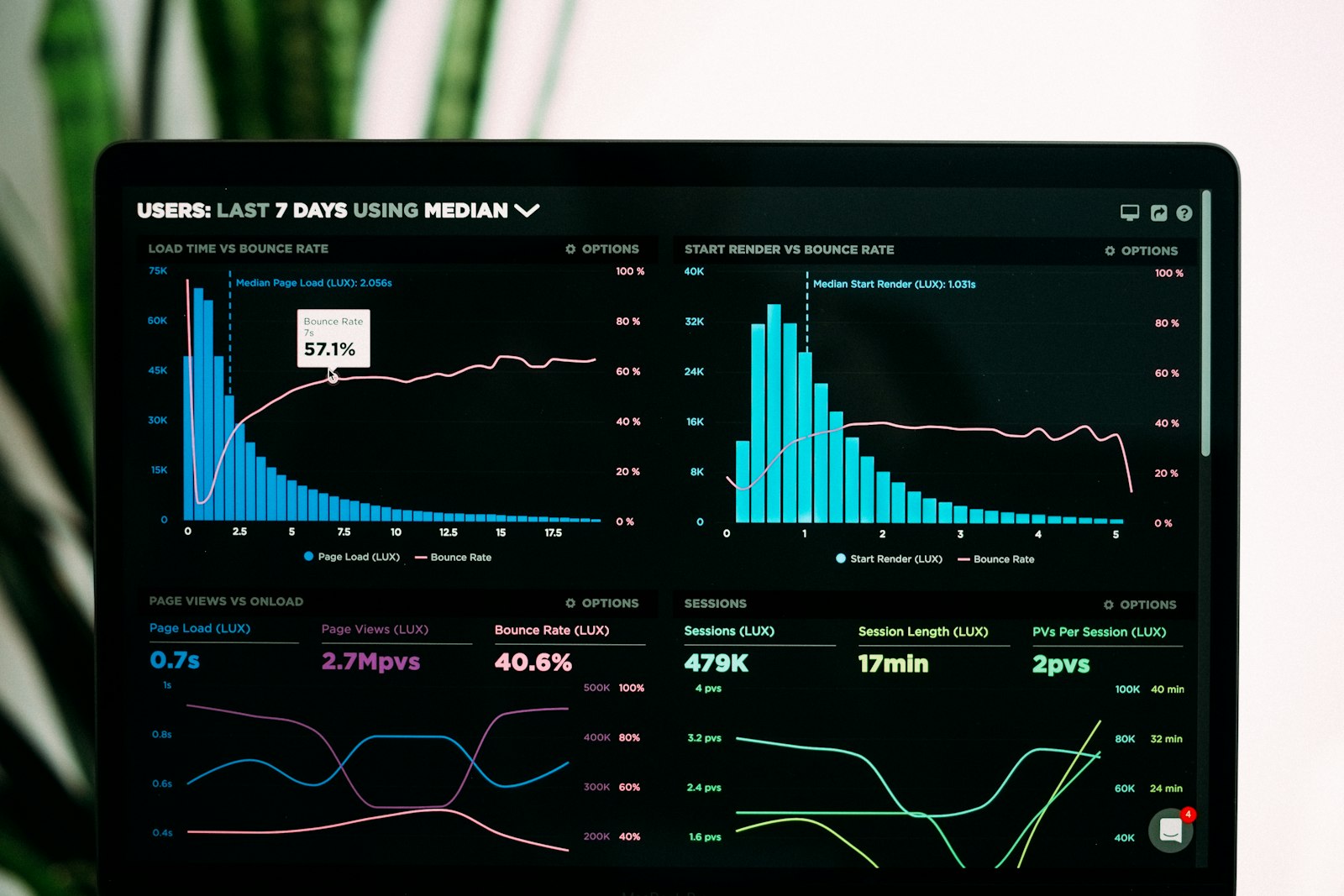
A useful dashboard is balanced and small. Pick a handful of metrics from each family — say, realised savings and spend under management for value; PO cycle time and touchless invoice rate for efficiency; on-time delivery and supplier risk score for the supply base; and contract compliance for governance. Set a baseline, define targets relative to that baseline, and review on a regular cadence.
Resist the temptation to track everything. The discipline is in selection: a focused set of 8 to 15 KPIs that each tie to a decision will outperform a sprawling scorecard every time. And remember that nearly every metric on this page improves once spend is visible and clean — which is why a spend analytics foundation, covered across our spend analytics AI directory, tends to be the highest-leverage first investment. For the broader strategic context of where these metrics fit, see our explainer on what procurement means and the difference between the strategic and transactional layers in procurement vs purchasing.
Frequently Asked Questions
What are the most important procurement KPIs?
The most widely tracked procurement KPIs are realised cost savings, cost avoidance, spend under management, procurement ROI, purchase order cycle time, supplier on-time delivery, supplier defect rate, contract compliance rate, and emergency or maverick spend. Together they cover the three things procurement is judged on: value, efficiency, and risk.
How is procurement ROI calculated?
Procurement ROI is calculated as realised savings and value generated divided by the cost of running the procurement function, often expressed as a ratio. For example, 10 million in measurable value at a cost of 1 million is a 10:1 ROI. Mature functions commonly report ratios in the high single digits to low double digits, though this varies widely by industry and how value is defined.
What is spend under management?
Spend under management is the percentage of total addressable spend that procurement actively controls through contracts, preferred suppliers and managed processes. It is calculated as managed spend divided by total addressable spend. Higher figures indicate more of the organization's buying is influenced by procurement rather than happening off-contract.
What is a good purchase order cycle time?
Purchase order cycle time measures how long it takes from requisition to issued PO. Typical ranges run from under a day for fully automated, catalogue-based buying to several days or more for complex, manually approved purchases. The right target depends on category and approval complexity; the trend over time matters more than any single benchmark.
How many procurement KPIs should a team track?
Most effective procurement functions track a focused dashboard of 8 to 15 KPIs spanning cost, efficiency, supplier performance and compliance, rather than dozens of metrics. The aim is a balanced view that drives action; tracking too many dilutes focus and rarely changes decisions.