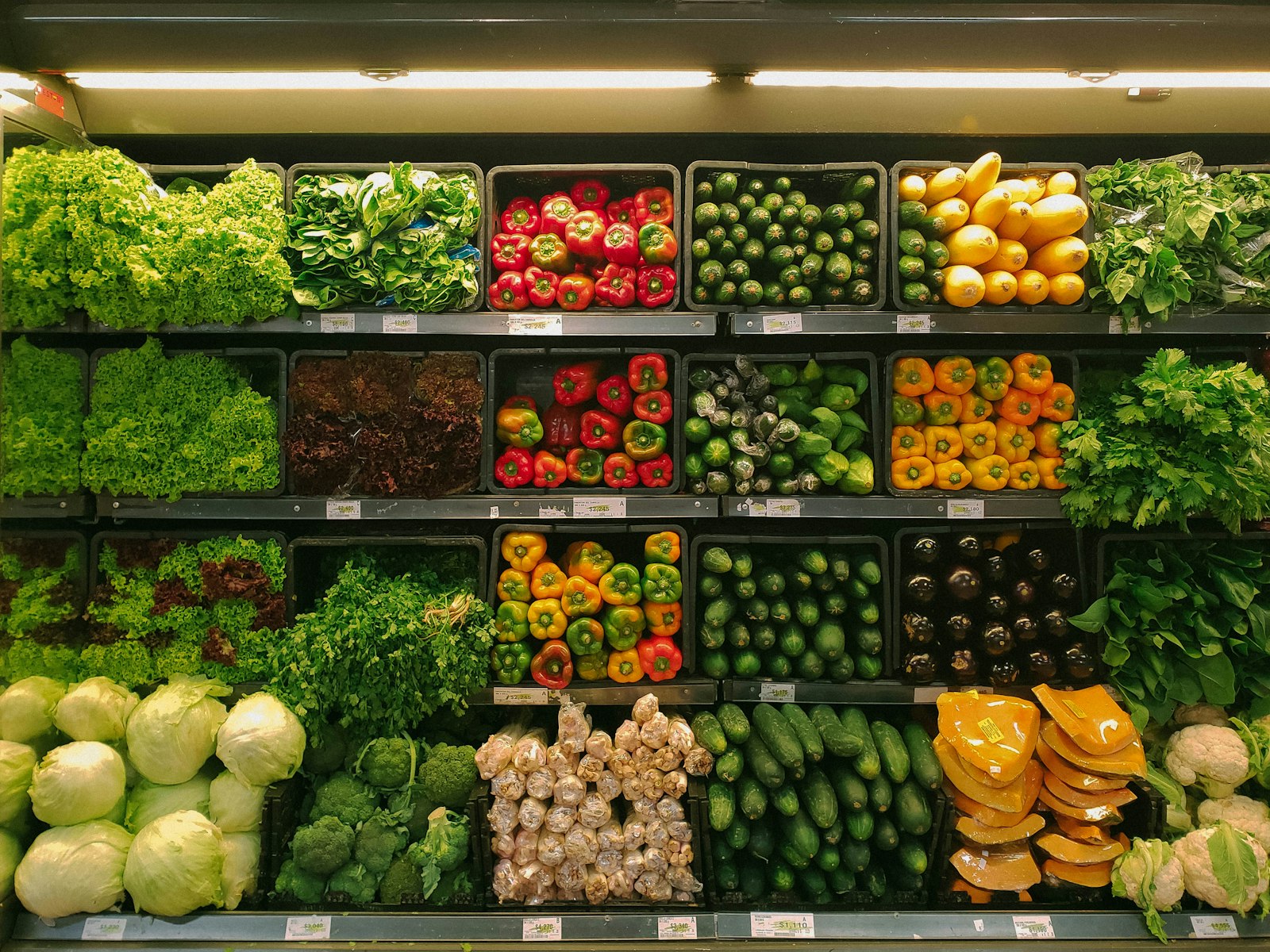
Commodity-price volatility, farm-to-shelf traceability, food-safety risk, and seasonal demand make food & beverage procurement uniquely demanding. Here are the AI tools that actually fit the sector — and how to deploy them.
Quick answer: Food & beverage procurement teams use AI to model commodity-price exposure, ensure end-to-end supplier traceability and food-safety compliance, and source seasonal, perishable inputs under tight time pressure. Start with Spend Analytics AI for commodity intelligence and Supplier Risk AI for traceability and continuity.
Published: · Reviewed by Fredrik Filipsson
Why Food & Beverage Procurement Is Different
Few sectors expose procurement to as many simultaneous pressures as food and beverage. Ingredient costs ride agricultural commodity markets that swing on weather, geopolitics and harvest cycles, so a margin agreed in January can evaporate by harvest. Inputs are perishable and seasonal, compressing sourcing windows that other industries can take months over. And every supplier in the chain sits inside a food-safety and traceability regime where a single contaminated lot can trigger a recall, regulatory action and lasting brand damage.
Generic procurement software was not built for these realities. Food & beverage CPOs need AI that connects commodity-price intelligence to active contracts, traces ingredients to their origin across multiple supplier tiers, and surfaces food-safety and continuity risk before it reaches the production line. The tools below have been evaluated through that lens, and they sit within the broader landscape mapped in our procurement AI vendor landscape.
Key Procurement AI Use Cases in Food & Beverage
The highest-value applications of AI in food and beverage procurement, where the sector's specific pressures create the clearest payback.
Use Case 01
Commodity Price & Hedging Intelligence
AI spend analytics that ingest agricultural and packaging commodity indices and model their impact on contracted ingredient spend, flagging when to renegotiate, forward-buy or hedge before margin erodes. Indispensable for buyers exposed to grains, dairy, sugar, cocoa, edible oils and resin.
SievoSpendHQCoupa
Use Case 02
Supplier Traceability & Food Safety
AI risk platforms that map ingredient origin across multiple supplier tiers, monitor food-safety certifications and recalls, and flag contamination or adulteration exposure early — turning traceability from a periodic audit exercise into continuous monitoring.
ResilincInterosEcoVadis
Use Case 03
Seasonal & Perishable Sourcing
Sourcing optimisation AI that runs fast, multi-variable events for seasonal and perishable inputs — balancing price, lead time, shelf life and supplier capacity within compressed windows that manual sourcing cannot meet.
KeelvarFairmarkitGEP SMART
Use Case 04
Sustainability & Scope 3 Reporting
AI that scores supplier sustainability and gathers the supplier-level data needed for Scope 3 and deforestation-regulation reporting — increasingly a buying criterion, not just a compliance task, for food & beverage brands.
EcoVadisSievo
Use Case 05
Tail Spend & MRO Control
Automated sourcing and classification for the long tail of packaging, ingredients-adjacent supplies and plant MRO — bringing fragmented, un-competed spend under management without adding buyer headcount.
FairmarkitCoupaAmazon Business
Use Case 06
Contract Compliance on Frame Agreements
AI contract monitoring that compares invoice and PO prices against agreed rates across the many frame agreements food manufacturers run for ingredients, packaging and co-packing — closing the leakage that thin margins cannot absorb.
IcertisCoupa
Top Procurement AI Tools for Food & Beverage
Evaluated on commodity intelligence, multi-tier traceability, food-safety risk monitoring, and fast seasonal sourcing.
Spend Analytics & Commodity
Sievo
The strongest spend analytics fit for food & beverage, thanks to commodity intelligence that layers agricultural and packaging index feeds against contracted spend. Procurement-native classification turns messy multi-plant ingredient and packaging data into a trustworthy spend cube.
Multi-tier supply-chain mapping and continuous disruption monitoring — valuable for tracing ingredient origin and flagging food-safety, weather and continuity risk before it reaches the line. Strong fit for brands that must prove provenance.
Sourcing optimisation purpose-built for complex, multi-variable events — ideal for the seasonal, capacity-constrained sourcing of ingredients, packaging and logistics that food & beverage runs against tight windows.
Supplier sustainability ratings and ESG data collection — increasingly central to food & beverage sourcing as deforestation rules and Scope 3 reporting turn supplier sustainability into a buying criterion rather than an afterthought.
A broad source-to-pay suite for food & beverage groups that want unified procurement across many plants and brands — spend benchmarking, contract management and AP automation in one platform, with community-intelligence insights.
Fit reflects each tool's primary strength for food & beverage use cases; most teams combine a spend/commodity tool with a risk/traceability specialist.
Compare Procurement AI for Your Food & Beverage Operation
Evaluate platforms on commodity intelligence, traceability and sourcing speed — and benchmark the business case before you commit.
The Biggest Procurement Challenges in Food & Beverage — and How AI Helps
Sector-specific structural challenges that generic software struggles with, and where AI delivers measurable impact.
01
Commodity Price Volatility
Agricultural inputs swing on weather, harvests and geopolitics, and thin food margins cannot absorb surprises. AI that monitors commodity indices against contracted spend lets buyers act — renegotiate, forward-buy or hedge — before the P&L is hit, rather than reacting after the fact.
02
Traceability & Recall Exposure
A single contaminated or mislabelled lot can trigger a recall and regulatory action. AI risk platforms map ingredient origin across supplier tiers and monitor certifications and recall signals continuously, shrinking the time between a problem emerging and the buyer knowing about it.
03
Seasonality & Perishability
Sourcing windows for seasonal, perishable inputs are short and unforgiving. AI sourcing optimisation runs fast, multi-variable events that weigh price against lead time, shelf life and supplier capacity — decisions too complex and too time-pressured for manual sourcing.
04
Sustainability & Regulation
Deforestation rules, Scope 3 reporting and retailer sustainability demands now shape sourcing. AI that scores suppliers and gathers ESG data turns compliance into a usable buying signal, helping teams choose suppliers that meet tightening requirements without manual data chases.
05
Fragmented Multi-Plant Spend
Food groups run many plants and brands, scattering spend across suppliers and systems. AI spend classification consolidates this into one trustworthy view, revealing duplicate suppliers, off-contract buying and consolidation opportunities that fragmentation hides.
06
Contract Leakage on Thin Margins
With many frame agreements for ingredients, packaging and co-packing, price deviations between agreed and invoiced rates quietly erode margin. AI contract-compliance monitoring catches the leakage that thin food & beverage margins simply cannot afford to ignore.
How to Roll Out Procurement AI in Food & Beverage
A practical sequence for food & beverage CPOs, ordered by speed to value and risk reduction.
01
Build Commodity-Aware Spend Visibility
Start by ingesting ingredient and packaging spend into an AI analytics platform that supports commodity intelligence, so you can see exposure by category and link it to market indices. This baseline shows where volatility threatens margin before you automate anything. See our hands-on Sievo review for what to expect from a commodity-aware deployment.
02
Map Supplier Traceability & Risk
Deploy a supplier-risk platform to map ingredient origin across tiers and monitor food-safety certifications and recall signals. In a recall-sensitive sector, this intelligence is needed before an incident, not after — and it doubles as the data foundation for sustainability reporting.
03
Automate Seasonal & Tail Sourcing
Apply sourcing optimisation to seasonal and complex events, and tail-spend automation to fragmented packaging and MRO purchases. This frees buyers for strategic ingredient negotiations while bringing more spend under management.
04
Close the Contract-Compliance Loop
Connect contracts to AI monitoring so invoice and PO prices are checked against agreed rates across your frame agreements. On thin food margins, recovering leakage is among the fastest paybacks — build the case with our ROI business case model.
Procurement AI Intelligence for Food & Beverage
Tool reviews, commodity intelligence, and procurement AI developments for food & beverage CPOs and sourcing directors — delivered monthly.