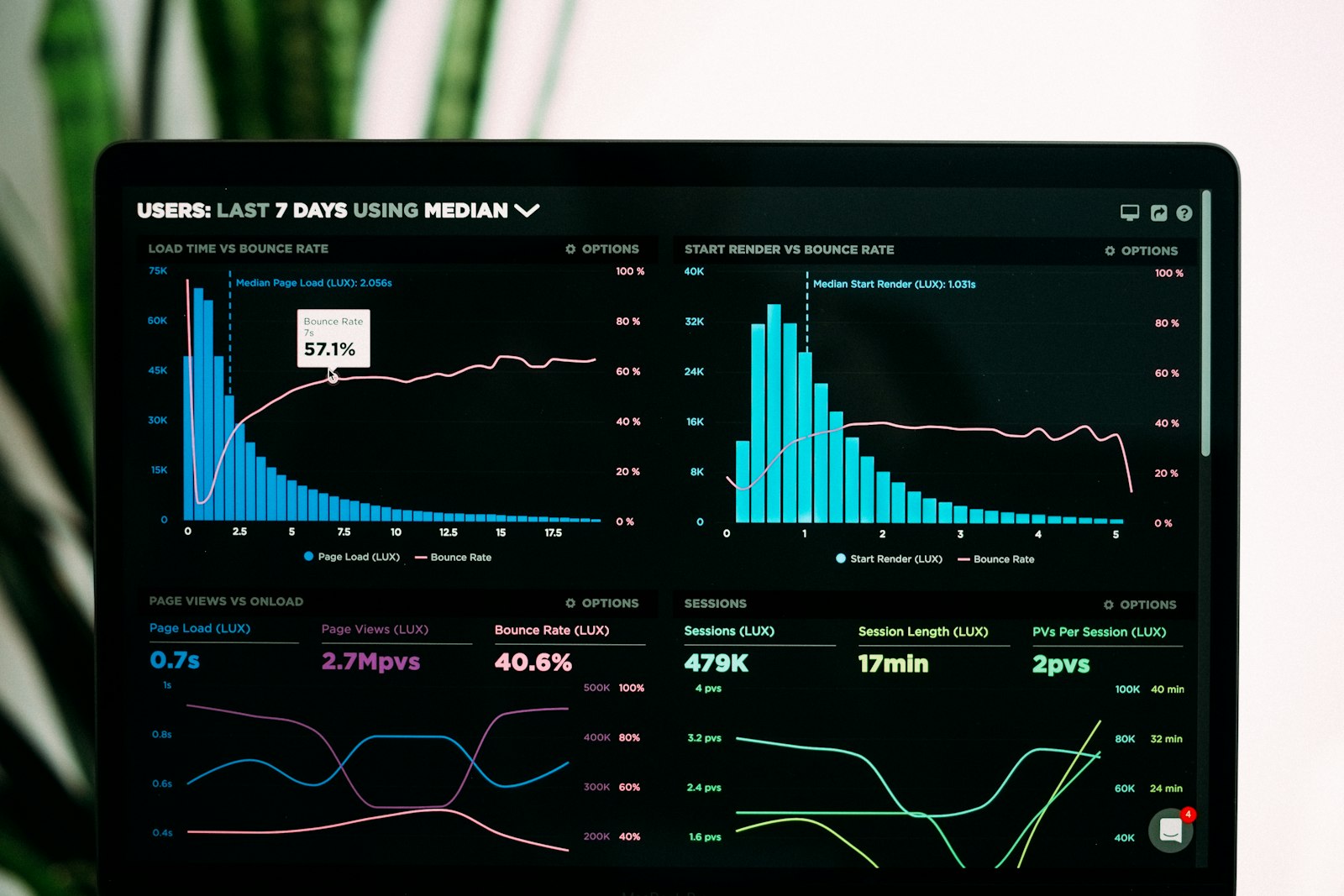
Procurement analytics transforms raw transaction data into actionable insights. Yet most procurement organizations still build monthly reports manually using spreadsheets, collecting data from ERP, P2P platforms, and category management tools. AI-powered analytics automates this process, creating real-time dashboards that give CPOs instant visibility into spending, supplier performance, and savings tracking.
This guide explores how AI transforms procurement reporting. For context on analytics within procurement functions, see our guide to procurement AI tools by function.
From Manual Reports to Real-Time Analytics
Traditional procurement reporting is labor-intensive. A large organization might spend 20-40 hours monthly on spend reporting alone: pulling data from multiple systems, cleaning and classifying transactions, building monthly spend reports, and responding to ad-hoc questions from finance and operations.
AI-powered analytics platforms eliminate this manual work by:
- Automatically integrating spend data from ERP, P2P, sourcing, and contract systems
- Classifying transactions into categories using machine learning
- Building automated dashboards that update daily or in real-time
- Enabling natural language queries ("Which categories have unfavorable price trends?") without requiring technical skill
Spend Visibility: The Foundation of Procurement Analytics
Effective spend analytics requires visibility into all procurement spending. This sounds simple but is surprisingly complex: spending flows through POs, direct payment, corporate cards, procurement cards, and informal channels. A typical enterprise has 5-15% spend leakage—unmanaged spending that bypasses procurement controls.
What Spend Analytics Reveals
- Spend by category: Which categories represent the largest portions of spend?
- Spend by supplier: Supplier concentration and diversification risk
- Spend trends: Price inflation or deflation by category and supplier
- Off-contract spend: Spending not covered by negotiated contracts
- Maverick buying: Unapproved suppliers or non-contracted items
Compare Analytics & Reporting Platforms
See which tools deliver automated dashboards, natural language queries, and predictive insights.
Automated Dashboard Generation
Leading analytics platforms like Jaggr, Coupa, and Ariba automatically generate executive dashboards showing:
- Real-time spend by category, supplier, cost center
- Key procurement KPIs: on-time delivery, quality metrics, cost savings tracking
- Supplier health: financial risk, quality issues, compliance violations
- Savings realization: cost reduction opportunities and actual savings achieved
- Cycle time metrics: PO-to-payment time, invoice processing metrics
Natural Language Queries: Democratizing Analytics
Most analytics require technical skill to query. Jaggr pioneered natural language procurement analytics, enabling procurement leaders to ask questions like "Which suppliers increased their prices more than 5% year-over-year?" without technical knowledge.
Natural Language Query Examples
- "Which categories have unfavourable price trends?"
- "Which suppliers are at financial risk?"
- "What's our spending with new suppliers introduced in the last 12 months?"
- "Which contracts expire in the next 90 days?"
- "What's our spend with woman-owned suppliers?"
Predictive Analytics: From Reactive to Proactive
Beyond current spend visibility, advanced analytics platforms add predictive capabilities:
- Price forecasting: Predict category spend trends and inflation based on market data and historical patterns
- Supplier financial distress: Flag suppliers showing financial weakness (late payments, declining revenue) before they fail
- Contract renewal risk: Alert when contracts are at risk of not renewing at current terms
- Savings opportunity identification: Identify consolidation, diversification, or market-driven savings opportunities
Executive Reporting for CFOs and Boards
CFOs and boards care about procurement primarily through its impact on cost and cash flow. Smart analytics platforms surface executive-level insights:
- Total procurement spend and year-over-year trends
- Savings achieved and tracked against targets
- Working capital impact (payment cycles, early payment programs)
- Supplier concentration risk (top 10 suppliers as % of spend)
- Supply chain resilience metrics
Implementing Procurement Analytics
Phase 1: Data Integration (Month 1-2)
Deploy analytics platform and integrate with ERP, P2P, sourcing, and contract systems. Establish single source of truth for spend data.
Phase 2: Basic Dashboards (Month 2-3)
Build core dashboards: spend by category, spend by supplier, on-time delivery. Set baseline KPIs and establish target improvement rates.
Phase 3: Natural Language Queries (Month 3-4)
Train procurement team on natural language analytics. Enable self-service ad-hoc analysis without IT support.
Phase 4: Predictive Analytics (Month 4+)
Layer in price forecasting, supplier financial risk, and savings opportunity identification. Use insights to inform category strategies and sourcing decisions.
Top Platforms for Procurement Analytics
- Jaggr: Analytics and natural language query leader, strong spend analysis
- Coupa: Integrated S2P with solid analytics module and dashboards
- Ariba Analytics: Deep ERP integration, strong for SAP environments
- Zycus: Category insights and analytics
- Tableau/Power BI: General BI tools, require manual dashboard building but highly flexible
Conclusion: Analytics Is Procurement's Strategic Advantage
Procurement analytics transforms spending data into strategic insights. Organizations with real-time visibility into spend, supplier performance, and market trends make faster, better sourcing decisions and achieve higher savings. AI-powered analytics democratises access to insights, enabling procurement leaders to make data-driven decisions without requiring technical skill or manual report building.