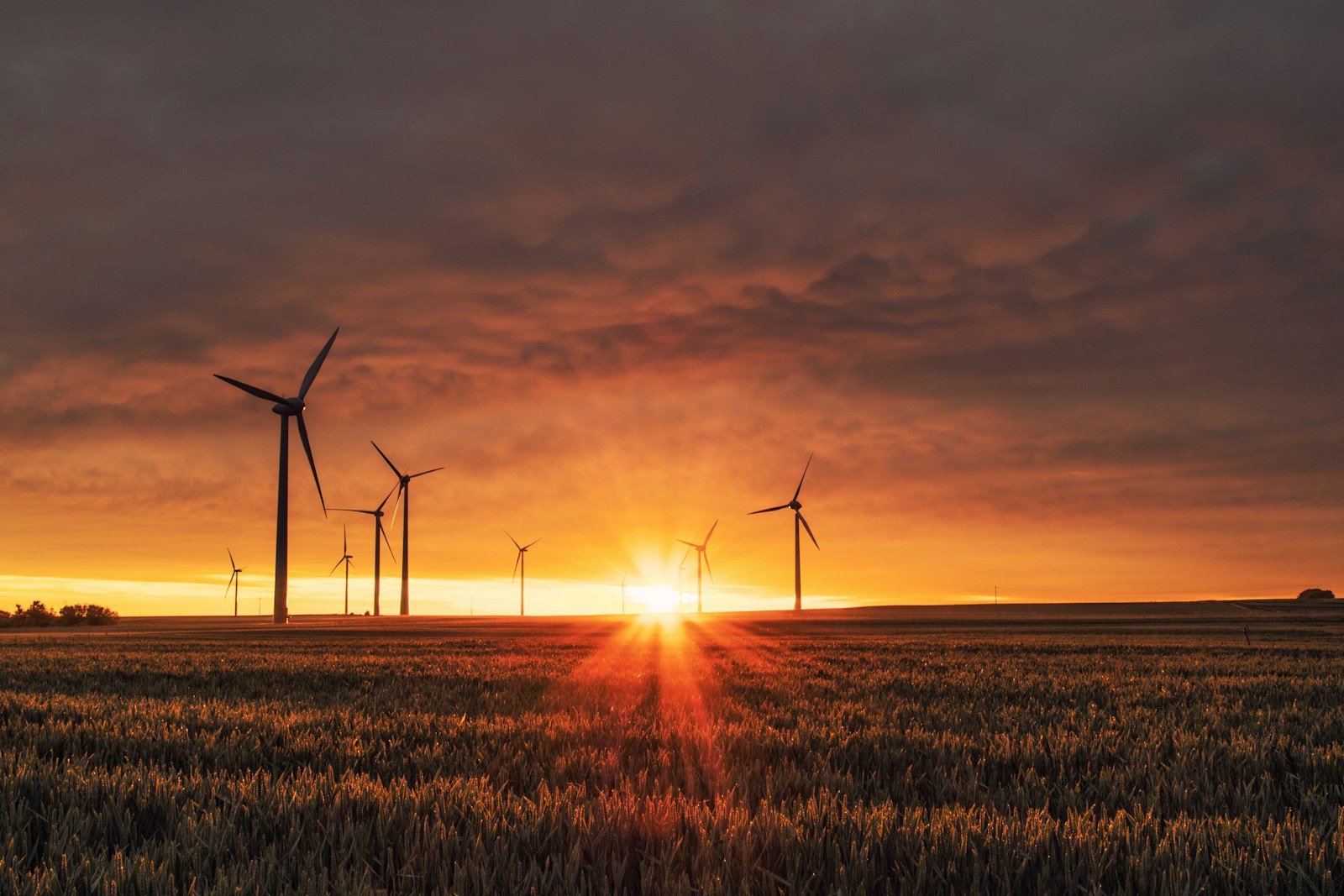
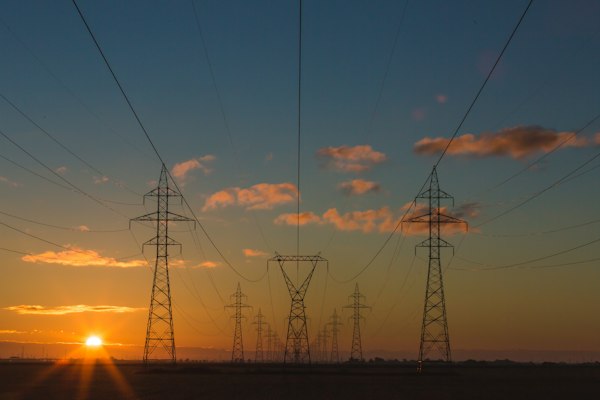
Wind turbines and power infrastructure representing energy sector procurement challenges
Industry Guide · Energy & Utilities · 2026

Procurement AI for
Energy & Utilities

Energy and utilities companies face procurement challenges no other industry encounters at the same scale: massive MRO inventories for critical infrastructure, contractor management across geographically dispersed assets, commodity price volatility, and supply chains where a single component failure can cost millions per hour in lost generation. This is the independent guide to where AI delivers measurable value in energy and utilities procurement.

$380B
Annual Energy Sector Procurement Spend
40-60%
of Energy Spend is MRO and Contractor Services
18%
Average Cost Reduction from AI-Driven MRO Optimisation
72hrs
Average Time-to-Source for Critical Spares Reduced with AI

Why Energy and Utilities Procurement Is an AI-Native Opportunity

Energy and utilities procurement operates under constraints that make it uniquely suited to AI transformation — and uniquely challenging to execute. The scale of MRO inventory alone is staggering: a large utility may maintain catalogues of 500,000 or more spare parts across generation, transmission, and distribution assets, with criticality ratings that determine whether a procurement failure means a routine inconvenience or a multi-million-dollar outage.

The contractor management dimension adds further complexity. Energy companies typically spend 30-50% of their total procurement budget on contractor and services spend — engineering firms, maintenance contractors, specialist inspection services — where spend classification, contract compliance, and supplier risk scoring are poorly served by legacy P2P systems. AI's ability to classify unstructured contractor spend, flag non-compliant invoices, and score supplier risk in real time is transformative at this scale.

Energy transition is creating a third procurement pressure: the scramble for critical minerals, solar components, wind turbine hardware, and battery storage technology has created supply chains that existing procurement teams were not designed to manage. AI-powered supplier discovery and strategic sourcing tools are increasingly essential for utilities building out renewable generation capacity against aggressive regulatory timelines.

The ERP landscape in energy is predominantly SAP. Most large utilities and integrated energy companies run SAP S/4HANA or SAP ECC with specialised Plant Maintenance (PM) and Materials Management (MM) modules. Any procurement AI considered for energy must demonstrate deep SAP integration — not just API connectivity, but genuine PM module awareness that understands asset hierarchies, maintenance bill of materials, and planned maintenance schedules.
Top Procurement AI Use Cases in Energy and Utilities

The procurement workflows where AI delivers the most measurable value for energy operators and utilities

Use Case 01

MRO Catalogue Cleansing and AI Classification

Energy companies typically have 30-40% duplicate, obsolete, or incorrectly classified items in their MRO catalogues. AI-powered catalogue management tools continuously classify incoming materials against plant hierarchy, flag duplicates, and maintain UNSPSC accuracy across millions of line items — reducing emergency procurement by capturing available stock that legacy systems couldn't find.

SAP Ariba AI GEP SMART Jaggaer
Use Case 02

Contractor Spend Classification and Compliance

Services spend for engineering contractors, inspection firms, and maintenance providers is notoriously difficult to classify accurately. AI tools that parse unstructured invoices, map contractor activities to cost centres, and flag non-compliant billing — against both contract terms and safety regulations — generate significant value in organisations where contractor spend exceeds $1B annually.

Ivalua Coupa AI Basware
Use Case 03

Critical Infrastructure Supplier Risk Monitoring

For energy infrastructure, supplier failure is not a commercial inconvenience — it is a safety and regulatory event. AI-powered supplier risk platforms that continuously monitor financial health, geopolitical exposure, sub-tier supply chain risk, and ESG performance across critical equipment and services vendors are increasingly mandated by energy regulators. Real-time risk scoring prevents single-source dependencies for critical spares.

Resilinc Interos EcoVadis
Use Case 04

Energy Transition Supplier Discovery

The renewable energy buildout has created urgent demand for new categories of suppliers: solar panel manufacturers, wind turbine component suppliers, battery storage technology providers, grid-scale inverter manufacturers. AI supplier discovery tools help utilities identify, qualify, and onboard new supply chains for the energy transition at a pace impossible with manual sourcing processes.

Scoutbee TealBook Globality
Use Case 05

Commodity Price Intelligence and Hedging Support

Energy procurement teams manage exposure to commodity prices in two directions: the fuel inputs (natural gas, coal, uranium) and the capital equipment inputs (steel, copper, rare earth metals for renewables). AI-powered spend analytics platforms with commodity price integration help procurement teams time major purchases, build price intelligence into negotiation strategies, and quantify exposure for treasury hedging decisions.

Sievo SpendHQ GEP SMART
Use Case 06

Project Procurement AI for Capital Projects

Energy capital projects — power plant construction, grid upgrades, offshore wind installation — involve procurement complexity that standard P2P tools cannot manage: change order tracking, milestone-linked payment automation, performance bond monitoring, and multi-tier subcontractor compliance. AI contract management tools with project procurement capability are essential for utilities running multi-billion-dollar capital programmes.

Icertis Agiloft Ironclad

Top Procurement AI Platforms for Energy and Utilities

Independent reviews of the tools most commonly deployed by energy operators, utilities, and infrastructure companies

SAP Ariba AI — enterprise procurement for energy sector
Source-to-Pay AI

SAP Ariba AI

The dominant procurement platform in energy, integrated natively with SAP S/4HANA Plant Maintenance and Materials Management. SAP Joule AI provides guided buying, automated approvals, and spend intelligence with full plant hierarchy awareness.

9.1/10 — Procurement Fit
9.4/10 — SAP Integration
Resilinc supplier risk monitoring for energy infrastructure
Supplier Risk AI

Resilinc

Supply chain risk monitoring with particular strength in critical infrastructure sectors. Resilinc maps sub-tier supplier dependencies for critical components, monitors geopolitical and financial risk in real time, and provides early warning for supply disruptions before they affect operations.

8.8/10 — Procurement Fit
8.6/10 — Risk Intelligence
Sievo spend analytics for energy and utilities procurement
Spend Analytics AI

Sievo

Spend analytics with particularly strong performance in industrial and energy environments. Sievo's AI classification handles the complexity of MRO and services spend categories that generic analytics tools misclassify. Deep SAP integration pulls data from MM, FI, and PM modules for a complete picture of asset-related spend.

8.7/10 — Procurement Fit
8.9/10 — SAP Integration
Ivalua procurement platform for complex energy supplier management
Source-to-Pay AI

Ivalua

A highly configurable procurement platform that performs well in energy environments requiring custom procurement workflows for regulated spend categories. Ivalua's supplier management module handles the complexity of contractor qualification, safety certification tracking, and performance management for energy sector service providers.

8.5/10 — Procurement Fit
8.3/10 — Configurability
Jaggaer autonomous sourcing for energy capital procurement
Strategic Sourcing AI

Jaggaer

Jaggaer's autonomous commerce vision and category management capabilities are well-suited to the complex sourcing events energy companies run for capital equipment, long-term service agreements, and framework contracts. Strong in direct materials sourcing for generation assets and manufacturing-adjacent energy businesses.

8.4/10 — Procurement Fit
8.6/10 — Sourcing Features
Icertis contract management for energy project procurement
Contract Management AI

Icertis

Enterprise contract lifecycle management with strong energy sector presence. Icertis handles the regulatory obligations, safety certifications, performance guarantees, and change order management complexity of energy project contracts. AI extraction and risk scoring are well-calibrated for energy contract language.

9.0/10 — Procurement Fit
9.2/10 — Contract Intelligence

ERP Integration Depth: Energy & Utilities Requirements

Energy and utilities procurement AI must integrate with SAP Plant Maintenance, Materials Management, and Project Systems — not just financial modules. Here is how leading platforms perform against energy-specific integration requirements.

Platform SAP MM/PM SAP PS (Projects) Oracle EAM Maximo Integration Plant Hierarchy Awareness
SAP Ariba AI Native Native Limited API Full
Ivalua Deep Configurable Deep API Configurable
Jaggaer Deep API Deep Certified Limited
Sievo Deep Deep API API Full
Resilinc API No API No No
GEP SMART Deep Configurable Deep API Limited

Compare Procurement AI Platforms for Your Energy Business

Use our comparison tool to evaluate platforms side by side on SAP integration depth, MRO classification capability, supplier risk features, and total cost. Filter specifically for energy and utilities use cases.

The Four Biggest Procurement Challenges in Energy and Utilities

Understanding the unique procurement pressures that make energy and utilities different from every other industry

01

MRO Inventory Complexity at Critical Scale

Energy assets — turbines, transformers, substations, pipelines — require spare parts inventories where classification errors and duplicate records directly translate to operational risk. A misclassified critical spare that appears out-of-stock when it exists in another warehouse can delay a repair by days, costing millions in lost output. AI MRO classification accuracy is not a procurement KPI; it is an operational resilience metric.

02

Contractor Compliance and Safety Certification

Energy companies depend on thousands of contractors for maintenance, inspection, and capital project work. Each must maintain valid safety certifications, insurance coverage, security clearances, and competency records. AI tools that automate contractor qualification, monitor certification expiry, and flag compliance gaps in real time are replacing manual qualification processes that created both compliance risk and unnecessary contractor spend.

03

Energy Transition Supply Chain Buildout

The shift from fossil fuel to renewable generation requires utilities to build entirely new supply chains under intense regulatory and financial pressure. Solar, wind, and battery storage supply chains are concentrated in regions with geopolitical risk, quality variability, and sustainability concerns that traditional procurement programmes cannot assess. AI supplier discovery and risk tools are essential for managing this transition at pace.

04

Regulatory Compliance Across Multiple Jurisdictions

Energy companies operate under sector-specific procurement regulations that vary by jurisdiction: critical infrastructure protection requirements, local content obligations, safety-critical equipment procurement standards, and environmental requirements. AI contract management and compliance tools must understand energy regulatory context — not just generic commercial compliance — to be genuinely useful in this sector.

Implementing Procurement AI in Energy and Utilities: A 5-Step Framework

The sequenced approach that energy procurement leaders use to deploy AI without disrupting critical operational workflows

01

Establish SAP Data Quality Baseline

Before deploying any procurement AI in an energy environment, the quality of SAP MM and PM master data must be assessed. Poor material master data — duplicate records, missing plant hierarchy links, incorrect UNSPSC codes — will undermine any AI layer built on top of it. Most energy companies need a 4-8 week data quality programme before AI classification tools can deliver their promised accuracy.

02

Deploy Spend Visibility First

AI spend analytics across the full procurement footprint — MRO, contractor services, capital projects, indirect — establishes the baseline required for all subsequent AI investments. Without this visibility, procurement AI investments are made without knowing where the biggest value opportunities exist. Energy companies with $1B+ procurement spend consistently find 15-20% of spend is misclassified in ways that mask savings opportunities.

03

Implement Supplier Risk Monitoring for Critical Suppliers

The consequence of supplier failure in energy makes AI-powered risk monitoring a second-priority investment. Define critical supplier tiers — typically those supplying single-source components for generation or transmission assets — and deploy continuous monitoring before broader supplier risk initiatives. The ROI case is measured in risk reduction, not direct cost savings, which requires a different business case framework.

04

Automate Contractor Invoice Processing and Compliance

Services and contractor invoices represent 30-50% of energy procurement spend and are the most labour-intensive to process. AI invoice matching, certification verification, and contract compliance checking for contractor invoices delivers significant efficiency gains while reducing compliance risk. This is the category where AI ROI in energy is most quickly quantifiable.

05

Build the Energy Transition Sourcing Capability

With spend visibility, supplier risk management, and AP automation in place, energy procurement teams can turn to the strategic challenge of the decade: building renewable energy supply chains. AI-powered supplier discovery and strategic sourcing tools for solar, wind, and battery categories require dedicated configuration and market intelligence integration that goes beyond out-of-the-box platform capabilities.

Procurement AI Weekly

Stay ahead of developments in energy sector procurement AI. Tool reviews, comparison updates, and market intelligence every Tuesday. Trusted by 4,200+ procurement leaders.